

Transformative Leadership for Stronger Health Systems in Africa2026-08-10T15:51:40+00:00

Transformative Leadership & Culture Change for Stronger Health Systems in Africa

African health systems face relentless pressure. Technical solutions alone do not transform them. Sustainable strengthening requires transformative leadership embedded inside public sector institutions where mindset shifts drive culture change, culture change drives performance, and performance drives health outcomes.

Transformative Leadership & Culture Change for Stronger Health Systems in Africa

African health systems face relentless pressure. Technical solutions alone do not transform them. Sustainable strengthening requires transformative leadership embedded inside public sector institutions where mindset shifts drive culture change, culture change drives performance, and performance drives health outcomes.

The pressures African health systems face

African health systems operate in complex, high-pressure environments. Ministries of Health must deliver results amid the following:

  • Resource constraints limit what’s possible

  • Workforce fatigue erodes system capacity

  • Fragmented partners complicate coordination

  • Repeated shocks from epidemics to climate-related disasters

Despite significant investments in technical solutions, service delivery gaps persist across many countries in Africa.

The pressures African health systems face

African health systems operate in complex, high-pressure environments. Ministries of Health must deliver results amid the following:

  • Resource constraints limit what’s possible

  • Workforce fatigue erodes system capacity

  • Fragmented partners complicate coordination

  • Repeated shocks from epidemics to climate-related disasters

Despite significant investments in technical solutions, service delivery gaps persist across many countries in Africa.

Technical solutions alone do not transform health systems.


There is already heavy investment in technical solutions. At Spark Health Africa, we believe in doing more with less.

Technical solutions alone do not transform health systems.


There is already heavy investment in technical solutions. At Spark Health Africa, we believe in doing more with less. Our Transformative Leadership & Culture Change entails four stages.

What Is Transformative Leadership in Healthcare?

Our Transformative Leadership & Culture Change Program is designed to engender resilience in the healthcare workforce by equipping teams to strategically work toward a common agenda and transform their work culture. Through a blend of workshops and 18–24 months of on-the-job coaching, we help public health professionals shift their mindsets and embed new ways of working that deliver measurable improvements in health outcomes. Through a blend of workshops and 18–24 months of on-the-job coaching, we help public health professionals shift their mindsets and embed new ways of working that deliver measurable improvements in health outcomes. 

What Is Transformative Leadership in Healthcare?

Our Transformative Leadership & Culture Change Program is designed to engender resilience in the healthcare workforce by equipping teams to strategically work toward a common agenda and transform their work culture. Through a blend of workshops and 18–24 months of on-the-job coaching, we help public health professionals shift their mindsets and embed new ways of working that deliver measurable improvements in health outcomes. Through a blend of workshops and 18–24 months of on-the-job coaching, we help public health professionals shift their mindsets and embed new ways of working that deliver measurable improvements in health outcomes. 

1

STRATEGIC ALIGNMENT & PLANNING

3-6
MONTHS

2

BASELINE ASSESSMENT

2-4
MONTHS

3

IGNITING WORKSHOPS

1-2
MONTHS

4

COACHING & THOUGHT PARTNERSHIP

18-24
MONTHS

STRATEGIC ALIGNMENT & PLANNING

 (3-6 months)

Before launching any country program, we work closely with the Ministry of Health to ensure the TLCC initiative is strategically aligned with national priorities and tailored to the local context. We believe that culture change must be linked to tangible health outcomes.

To ensure accountability and track progress, our approach includes:

1

Internal TLCC indicators to monitor the program process and intermediate outcomes, such as team functioning, leadership behaviors, and collaborative practices.

2

Clinical tracer programs selected by the Ministry of Health. Teams attach their culture change efforts to real-world clinical programming, allowing them to track how improvements in teamwork and leadership ultimately lead to better population-level health outcomes.
The Ministry of Health determines which tracer program and indicators will be used, ensuring that Monitoring, Evaluation, Accountability, and Learning is aligned with national reporting requirements and priorities.

BASELINE ASSESSMENT

 (2-4 months)

Objective: To understand the unique context, determinants of health, and work culture in each sub-national team to inform workshop curriculum development, and to identify focus areas for coaching and thought partnership.

IGNITING WORKSHOPS

 (1-2 months)

Objective: To introduce teams to work culture change principles and to teach core management skills.

We start with the 2-day Senior Leadership Workshop and allow at least 3 weeks before the 5-day full cohort District Health Management Team (DHMT) Workshop. This deliberate time lag gives senior leadership time to prepare their teams and gather baseline clinical tracer program data to be used during the DHMT workshop.
We tailor learning to the unique context and needs of participants, informed by the Baseline Assessment. Each team develops a work culture change Implementation Plan during the DHMT workshop to apply their skills to specific clinical and management challenges within the clinical tracer program.

COACHING & THOUGHT PARTNERSHIP

 (18-24 months)

Objective: To change the work culture by building leadership competencies at the sub-national level by mentoring and coaching district multidisciplinary teams, integrating frontline workers and other managers into the culture change initiative, and periodically reviewing progress.
Human Assets

Each TLCC program has one dedicated in-country Spark Health Africa Systems Transformation Coach (STC) supporting sub-national teams. STCs work in partnership with Ministry Transformation Leads (MTLs) whom we capacitate on an ongoing basis to also provide coaching and thought partnership to their peers. Ministry Stewards occasionally join visits for monitoring and oversight.

Coaching & Mentoring

We support teams to transform management skills into competencies by iteratively applying skills to real-life healthcare delivery gaps in the tracer program, as guided by their Implementation Plan.

Thought Partnership

We coach teams to embody transformative leadership and culture change principles by identifying opportunities to apply these principles to their daily work.

Integration of New Change Agents

Workshop-trained teams integrate frontline workers and additional managers into the initiative to ensure culture change spreads sub-nationally. Integration occurs through coaching visits, implementation plan activities, and general coaching by principal change agents.

Innovation Sessions

These workshops are conducted during the coaching phase, bringing together select members of different teams to reflect or build specific skills in response to emerging opportunities or challenges—for example, building data analysis skills among Health Information Officers or workshopping emotional intelligence with team leaders in response to conflict.

Review Meetings

As part of Monitoring, Evaluation, Accountability, and Learning, teams reconvene on a regular basis during the coaching phase to assess progress in changes to their work culture and the impact on the tracer program. Review Meetings are also used for cross-fertilization of ideas across teams and to workshop on emerging challenges and opportunities.

Sustainability and Scale-up

We embed sustainability in all our processes. Sustainability may take the form of intensive capacity building of Ministry Transformation Leads so they continue to provide coaching and thought partnership without Spark Health Africa present. It could also involve specific policy changes adopted by participating sub-national teams to institutionalise best practices that arose during program implementation.
Scale-up focuses on supporting teams do routine processes better by propagating work culture best practices from the initiative in other sub-national locations.

Transformative leadership in healthcare is the deliberate development of leadership mindsets, management competencies, and team culture that enable public sector health professionals to deliver sustainable system performance.
It is not corporate leadership repackaged for government.
It is leadership development rooted in real-world public sector realities across Africa.

Transformative Leadership in Practice Across Africa

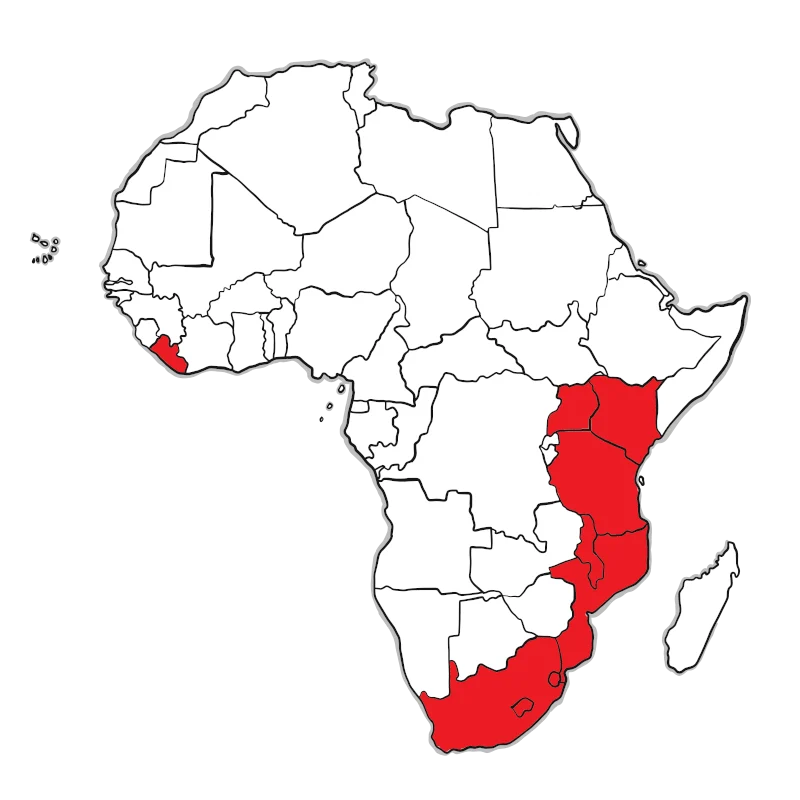
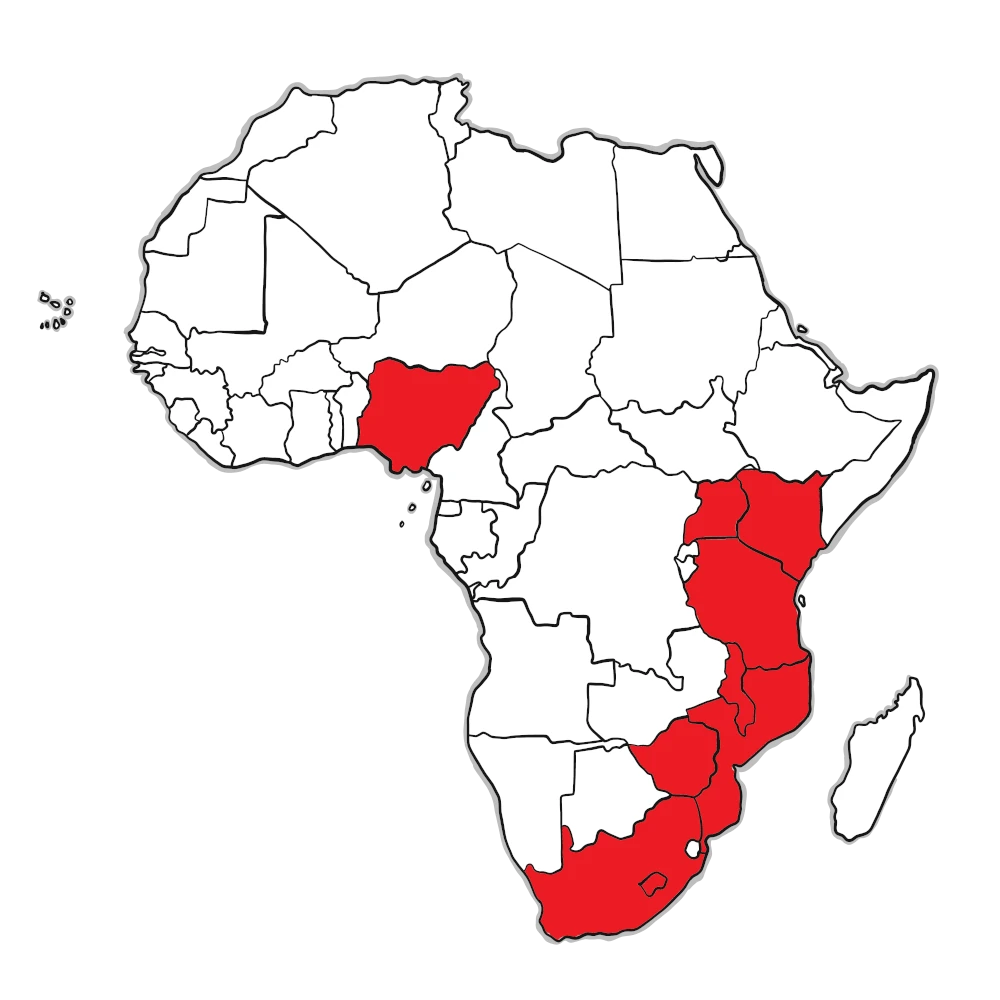
Spark Health Africa has implemented transformative leadership and health system strengthening programmes in:

Transformative Leadership in Practice Across Africa

Spark Health Africa has implemented transformative leadership and health system strengthening programmes in:

Why Transformative Leadership Matters for Health Systems in Africa

Health systems across Africa face increasing complexity. Without embedded leadership capacity, reforms stall.

Why Transformative Leadership Matters for Health Systems in Africa

Health systems across Africa face increasing complexity. Without embedded leadership capacity, reforms stall.

Frequently Asked Questions

Shedding some light on our
Transformative Leadership
Program
What makes the TLCC program different from standard leadership training?2026-08-04T08:35:46+00:00

The TLCC program goes beyond traditional training by linking people development with systems strengthening. While workshops introduce core management skills, the program’s distinctiveness lies in the 18-24 months of on-the-job coaching and mentoring that follow. This sustained support helps teams transform skills into competencies by applying them to real-world challenges, leading to lasting changes in work culture rather than just temporary knowledge gains.

Who participates in the TLCC program, and how are teams selected?2026-08-04T08:55:14+00:00

The program targets public management teams at the national, sub-national. Teams are multi-disciplinary, typically comprising managers from different cadres and departments . The program also integrates frontline workers over time through a process called “co-opting,” ensuring the transformation spreads throughout the public sector system.

What kind of results can teams expect from participating?2026-08-04T08:36:09+00:00

Teams typically achieve measurable improvements in outcomes at the people, process and programmatic level within 12-18 months. For example, in Malawi’s Nkhotakota district, early infant HIV diagnosis increased from under 65% to 90%, and early ANC attendance rose from 10% to 35% . In Eastern Cape, South Africa, medicine stock availability improved from 54% to 95% in six months. These results stem from teams applying data-driven decision-making and root cause analysis to their specific challenges.

What topics are covered in the TLCC Igniting Workshops?2026-08-04T08:36:18+00:00

Igniting Workshops cover eight core modules: Transformational Leadership, Human Asset Management, Data-Driven Decision Making, Improving Operational Efficiencies, Behavioral Finance, Social Marketing, Change Management, and Time Management. The curriculum is tailored to each country’s context and the specific needs of participating teams.

Ready to strengthen your health system?

Transformative leadership works. Let’s explore how it can work for your ministry.

Ready to strengthen your health system?

Transformative leadership works. Let’s explore how it can work for your ministry.

Go to Top