

Public Sector Scaling of Health Innovations Across Africa
Spark Health Africa brings governments, funders, and partners together to sustainably scale innovations that matter. We believe lasting change happens when governments lead and own the agenda.
Public Sector Scaling of Health Innovations Across Africa
Spark Health Africa brings governments, funders, and partners together to sustainably scale innovations that matter. We believe lasting change happens when governments lead and own the agenda.
Governments lack clarity
When governments cannot articulate what their people actually need, innovations become solutions in search of problems. Without this clarity, scaling becomes impossible.
Power imbalances persist
Funders and implementing partners often drive the agenda while governments follow. This reversal of leadership undermines ownership and sustainability from the start.
Context gets ignored
Innovations that work in one place fail in another when local realities are overlooked. Scaling without context is just spreading failure across wider ground.

Governments lack clarity
When governments cannot articulate what their people actually need, innovations become solutions in search of problems. Without this clarity, scaling becomes impossible.
Power imbalances persist
Funders and implementing partners often drive the agenda while governments follow. This reversal of leadership undermines ownership and sustainability from the start.
Context gets ignored
Innovations that work in one place fail in another when local realities are overlooked. Scaling without context is just spreading failure across wider ground.

Government Leadership: Owning the Agenda
Governments are the custodians of their citizens' health and well-being. They bear the ultimate responsibility for articulating the needs of their populations, setting strategic priorities, and ensuring that health services are delivered equitably and sustainably. In the context of scaling innovations, government leadership is not optional, it is essential.
Spark Health Africa believes that deep government ownership is the bedrock of sustainable system change. When governments step fully into their role as champions of transformation, they move beyond passive acceptance of donor-driven agendas and instead become active drivers of their own health futures. This begins with a critical mindset shift: recognizing that scaling public-sector innovations is not primarily about the technology, product, or intervention itself, it is about embracing a culture of continuous improvement and accountability.

Through our coaching and mentoring, we support government leaders to:
When governments lead with clarity, confidence, and conviction, they create the enabling environment necessary for all other stakeholders to align their efforts effectively. Government leadership ensures that scaling is not something done to a country, but something driven by it—ensuring relevance, ownership, and lasting impact.
Funder Alignment: Power in Partnership
Funders play an indispensable role in advancing public health—providing the financial resources, technical expertise, and catalytic support that can accelerate progress toward health goals. Yet too often, well-intentioned funding can inadvertently undermine sustainability by fostering dependency, driving donor-driven agendas, or failing to align with government priorities.
Spark Health Africa believes that funders achieve the greatest impact when they respect and support government leadership, rather than supplanting it. When funding partners truly understand that governments are the custodians of citizen needs and are responsible for leading the strategic vision and agenda, they actively work against fostering harmful power imbalances. Instead, they become enablers of government-owned solutions.

Through our collective impact and mediation work, we help funders:
When funders align genuinely with government leadership, the relationship transforms from a donor-recipient dynamic into a true partnership. This alignment unlocks greater trust, more efficient use of resources, and most importantly health outcomes that endure long after funding ends. Funders who embrace this approach become not just financiers, but valued partners in building resilient, self-sustaining health systems across Africa.
Mutually Beneficial Relationships: Ecosystems That Work for Everyone
When governments lead with clarity and funders align with genuine partnership, the stage is set for something transformative: mutually beneficial relationships that unlock the full potential of all stakeholders. Yet these relationships do not happen by accident. They must be intentionally cultivated, continuously nurtured, and anchored in a shared commitment to the communities that all partners ultimately serve.
Spark Health Africa believes that radical collaboration amplifies impact, strategically and intentionally uniting people's efforts under a common agenda increases their return on invested resources. Mutually beneficial relationships are the engine of this collaboration. They transform arms-length interactions into impact partnerships where every stakeholder government, funder, and implementing partner finds value, purpose, and tangible results.
Through our collective impact programs and mediation expertise, we help stakeholders build relationships that work for everyone by:
1: Creating Safe Spaces for Honest Dialogue
Too often, stakeholders operate on assumptions about each other's intentions, constraints, and capacities. We guide difficult conversations to surface these underlying tensions, allowing stakeholders to speak openly about their needs, fears, and aspirations. By mediating these exchanges, we help partners move from defensive postures to collaborative problem-solving—building the trust that is essential for sustained partnership.
2. Co-Creating a Shared Agenda
Mutually beneficial relationships are built on a foundation of common purpose. We facilitate multi-stakeholder coalitions to articulate a shared vision—one that is government-led but co-owned by all partners. This shared agenda ensures that every stakeholder understands how their contribution advances not only the overall goal but also their own organizational objectives, creating alignment that is both strategic and deeply personal.
3. Aligning Incentives for Collective Success
When incentives are misaligned, even the best-intentioned partnerships can falter. We help stakeholders identify and articulate their mutual self-interests, demonstrating that what is good for the government is also good for funders and partners—and vice versa. By clarifying how each stakeholder benefits from collaboration, we create the conditions for sustained engagement and shared accountability.
4. Institutionalizing Radical Collaboration
We do not facilitate one-off agreements; we embed collaboration into the fabric of how stakeholders work together. Through ongoing coaching, mentoring, and thought partnership, we help coalitions operationalize their commitments, establish accountability mechanisms, and build the habits of radical collaboration. This ensures that the ecosystem continues to function effectively long after our direct engagement ends.
5. Fostering Transparency and Trust
Drawing on lessons from our work in Uganda—where district leadership disclosed full COVID-19 budgets to build stakeholder trust—we encourage transparency as a cornerstone of mutual benefit. When stakeholders see the full picture of resources, constraints, and decision-making processes, trust deepens, cooperation strengthens, and relationships become more resilient to the inevitable challenges that arise.
6. Celebrating Shared Wins
Mutually beneficial relationships are sustained by recognizing and celebrating progress together. We help coalitions define measurable milestones and create opportunities to reflect on achievements—whether it is improved health metrics, successful scaling milestones, or strengthened trust among partners. Celebrating shared wins reinforces the value of collaboration and builds momentum for the journey ahead.
Government Leadership: Owning the Agenda
Governments are the custodians of their citizens’ health and well-being. They bear the ultimate responsibility for articulating the needs of their populations, setting strategic priorities, and ensuring that health services are delivered equitably and sustainably. In the context of scaling innovations, government leadership is not optional, it is essential.
Spark Health Africa believes that deep government ownership is the bedrock of sustainable system change. When governments step fully into their role as champions of transformation, they move beyond passive acceptance of donor-driven agendas and instead become active drivers of their own health futures. This begins with a critical mindset shift: recognizing that scaling public-sector innovations is not primarily about the technology, product, or intervention itself, it is about embracing a culture of continuous improvement and accountability.
Through our coaching and mentoring, we support government leaders to:
When governments lead with clarity, confidence, and conviction, they create the enabling environment necessary for all other stakeholders to align their efforts effectively. Government leadership ensures that scaling is not something done to a country, but something driven by it—ensuring relevance, ownership, and lasting impact.
Funder Alignment: Power in Partnership
Funders play an indispensable role in advancing public health—providing the financial resources, technical expertise, and catalytic support that can accelerate progress toward health goals. Yet too often, well-intentioned funding can inadvertently undermine sustainability by fostering dependency, driving donor-driven agendas, or failing to align with government priorities.
Spark Health Africa believes that funders achieve the greatest impact when they respect and support government leadership, rather than supplanting it. When funding partners truly understand that governments are the custodians of citizen needs and are responsible for leading the strategic vision and agenda, they actively work against fostering harmful power imbalances. Instead, they become enablers of government-owned solutions.
Through our collective impact and mediation work, we help funders:
When funders align genuinely with government leadership, the relationship transforms from a donor-recipient dynamic into a true partnership. This alignment unlocks greater trust, more efficient use of resources, and most importantly health outcomes that endure long after funding ends. Funders who embrace this approach become not just financiers, but valued partners in building resilient, self-sustaining health systems across Africa.
Mutually Beneficial Relationships: Ecosystems That Work for Everyone
When governments lead with clarity and funders align with genuine partnership, the stage is set for something transformative: mutually beneficial relationships that unlock the full potential of all stakeholders. Yet these relationships do not happen by accident. They must be intentionally cultivated, continuously nurtured, and anchored in a shared commitment to the communities that all partners ultimately serve.
Spark Health Africa believes that radical collaboration amplifies impact, strategically and intentionally uniting people’s efforts under a common agenda increases their return on invested resources. Mutually beneficial relationships are the engine of this collaboration. They transform arms-length interactions into impact partnerships where every stakeholder government, funder, and implementing partner finds value, purpose, and tangible results.
Through our collective impact programs and mediation expertise, we help stakeholders build relationships that work for everyone by:
1: Creating Safe Spaces for Honest Dialogue
Too often, stakeholders operate on assumptions about each other’s intentions, constraints, and capacities. We guide difficult conversations to surface these underlying tensions, allowing stakeholders to speak openly about their needs, fears, and aspirations. By mediating these exchanges, we help partners move from defensive postures to collaborative problem-solving—building the trust that is essential for sustained partnership.
2. Co-Creating a Shared Agenda
Mutually beneficial relationships are built on a foundation of common purpose. We facilitate multi-stakeholder coalitions to articulate a shared vision—one that is government-led but co-owned by all partners. This shared agenda ensures that every stakeholder understands how their contribution advances not only the overall goal but also their own organizational objectives, creating alignment that is both strategic and deeply personal.
3. Aligning Incentives for Collective Success
When incentives are misaligned, even the best-intentioned partnerships can falter. We help stakeholders identify and articulate their mutual self-interests, demonstrating that what is good for the government is also good for funders and partners—and vice versa. By clarifying how each stakeholder benefits from collaboration, we create the conditions for sustained engagement and shared accountability.
4. Institutionalizing Radical Collaboration
We do not facilitate one-off agreements; we embed collaboration into the fabric of how stakeholders work together. Through ongoing coaching, mentoring, and thought partnership, we help coalitions operationalize their commitments, establish accountability mechanisms, and build the habits of radical collaboration. This ensures that the ecosystem continues to function effectively long after our direct engagement ends.
5. Fostering Transparency and Trust
Drawing on lessons from our work in Uganda—where district leadership disclosed full COVID-19 budgets to build stakeholder trust—we encourage transparency as a cornerstone of mutual benefit. When stakeholders see the full picture of resources, constraints, and decision-making processes, trust deepens, cooperation strengthens, and relationships become more resilient to the inevitable challenges that arise.
6. Celebrating Shared Wins
Mutually beneficial relationships are sustained by recognizing and celebrating progress together. We help coalitions define measurable milestones and create opportunities to reflect on achievements—whether it is improved health metrics, successful scaling milestones, or strengthened trust among partners. Celebrating shared wins reinforces the value of collaboration and builds momentum for the journey ahead.

ExpandNet
As an Affiliate organization of ExpandNet, we support government teams to develop and implement scaling strategy using the WHO/ExpandNet frameworks, guidelines, and tools. We use the Science of Scaling Workshop as the main vehicle for formal learning of the principles of scaling, followed by on-the-job coaching and mentoring to adopt a scaling mindset.
Community leadership
As an Executive Committee member of the international Scaling Community of Practice and Co-chair of the Health Technical Working Group within the SCoP, Spark Health Africa brings its extensive knowledge of supporting African governments through its Transformative Leadership & Culture Change Program and Collective Impact Program to bridge the SCoP’s global learning agenda with the practical realities of government-led scaling across Africa.

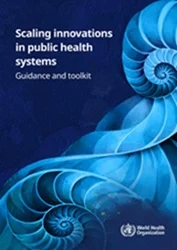

ExpandNet
As an Affiliate organization of ExpandNet, we support government teams to develop and implement scaling strategy using the WHO/ExpandNet frameworks, guidelines, and tools. We use the Science of Scaling Workshop as the main vehicle for formal learning of the principles of scaling, followed by on-the-job coaching and mentoring to adopt a scaling mindset.
Community leadership
As an Executive Committee member of the international Scaling Community of Practice and Co-chair of the Health Technical Working Group within the SCoP, Spark Health Africa brings its extensive knowledge of supporting African governments through its Transformative Leadership & Culture Change Program and Collective Impact Program to bridge the SCoP’s global learning agenda with the practical realities of government-led scaling across Africa.